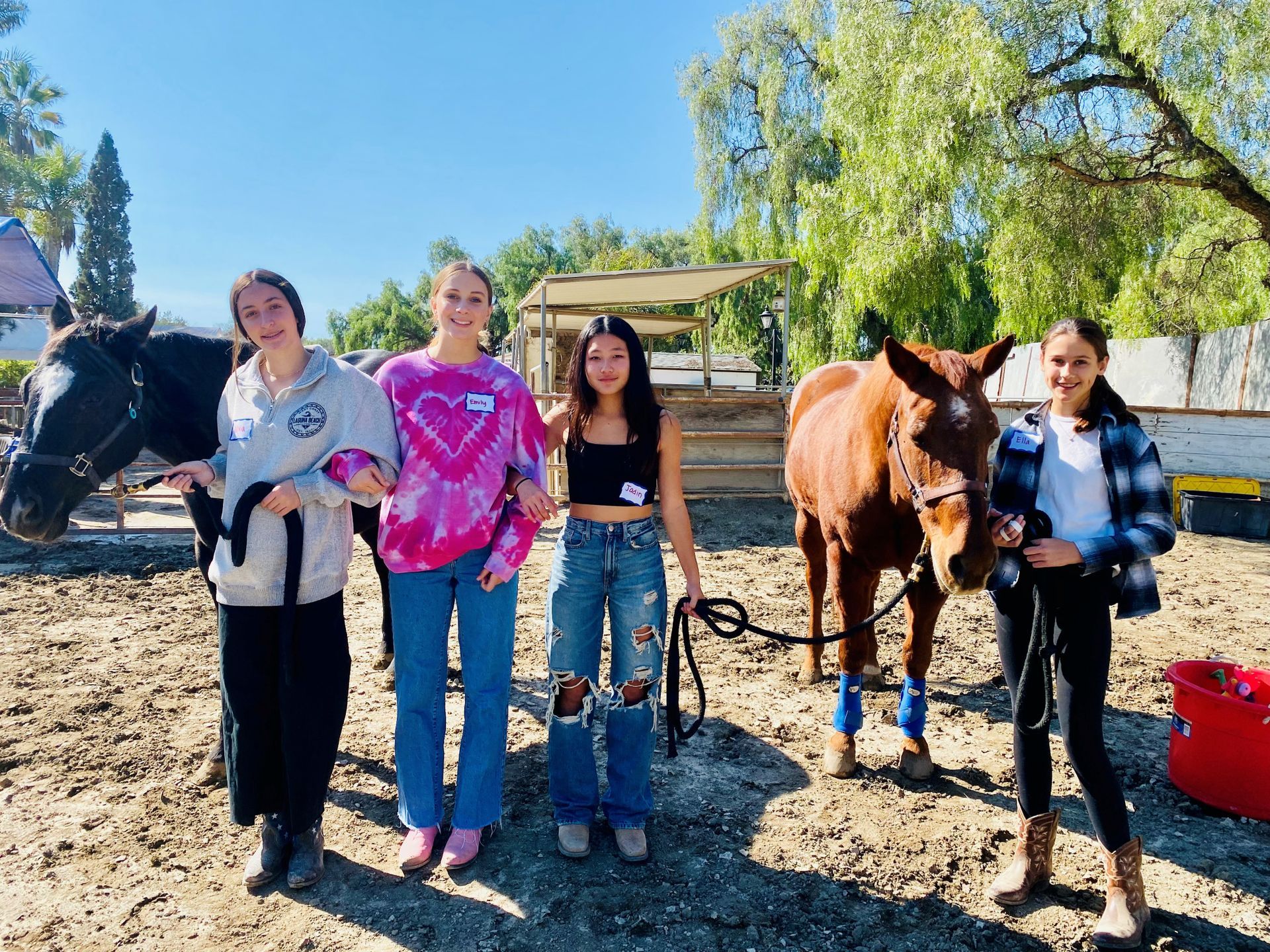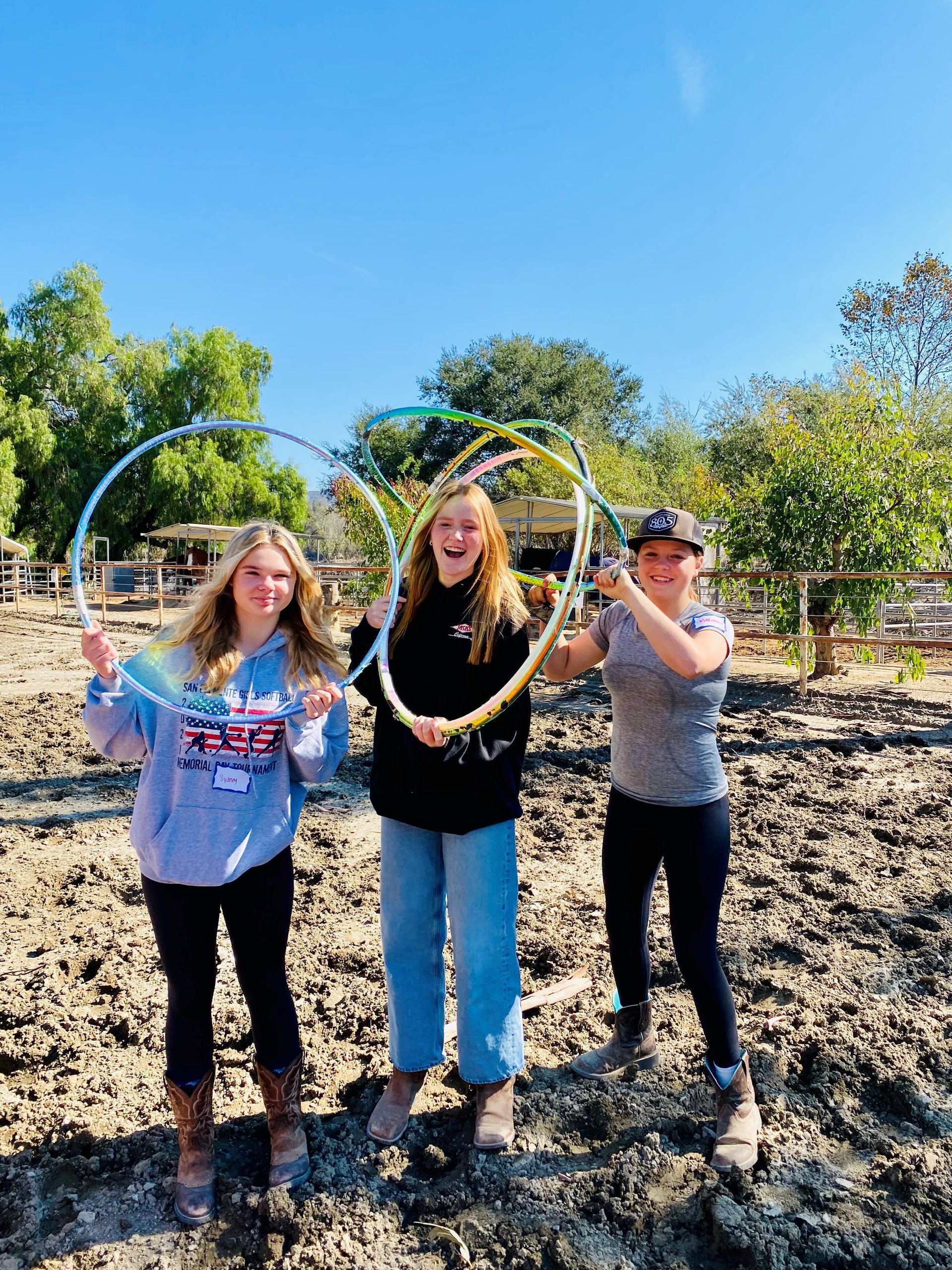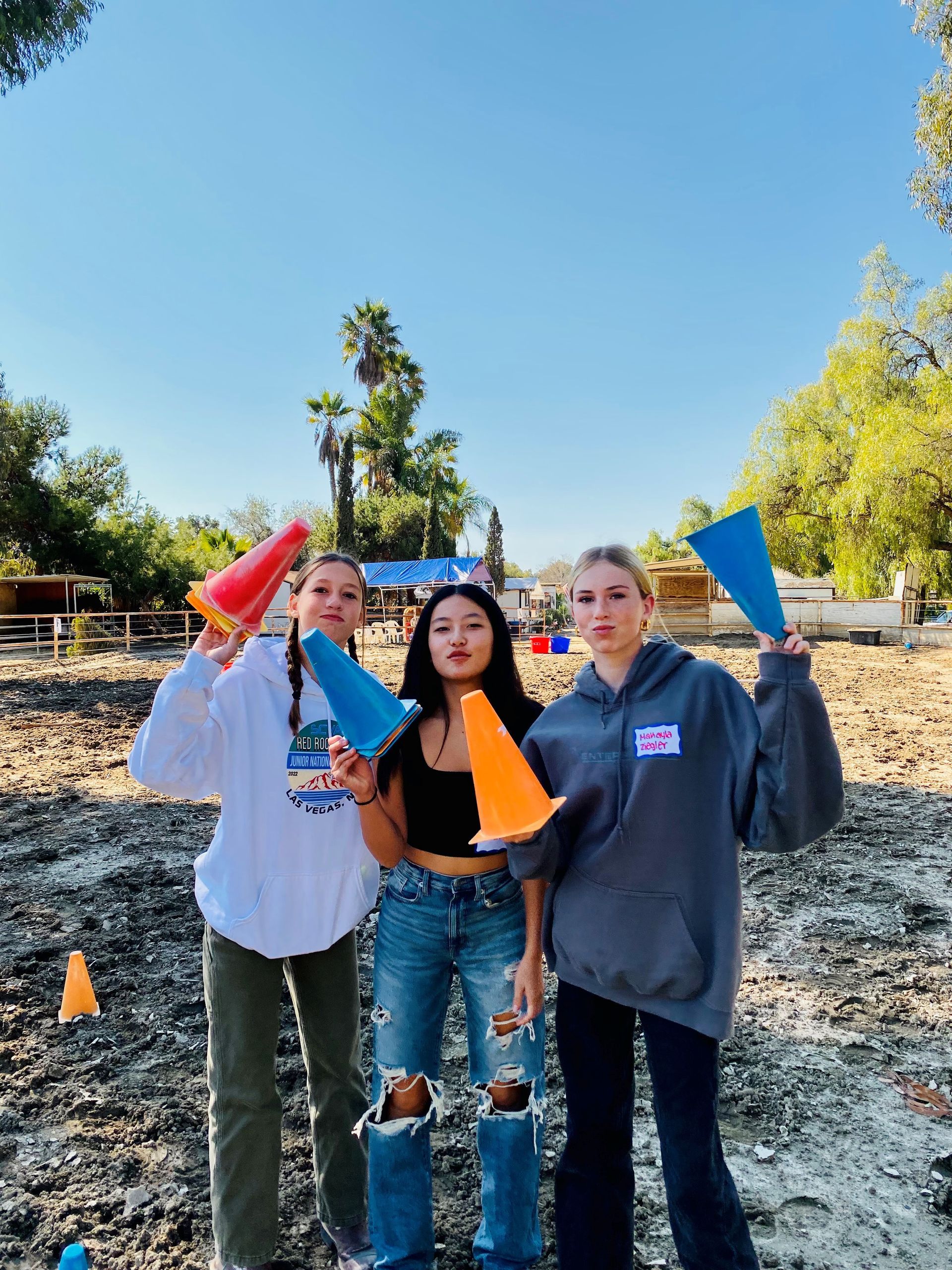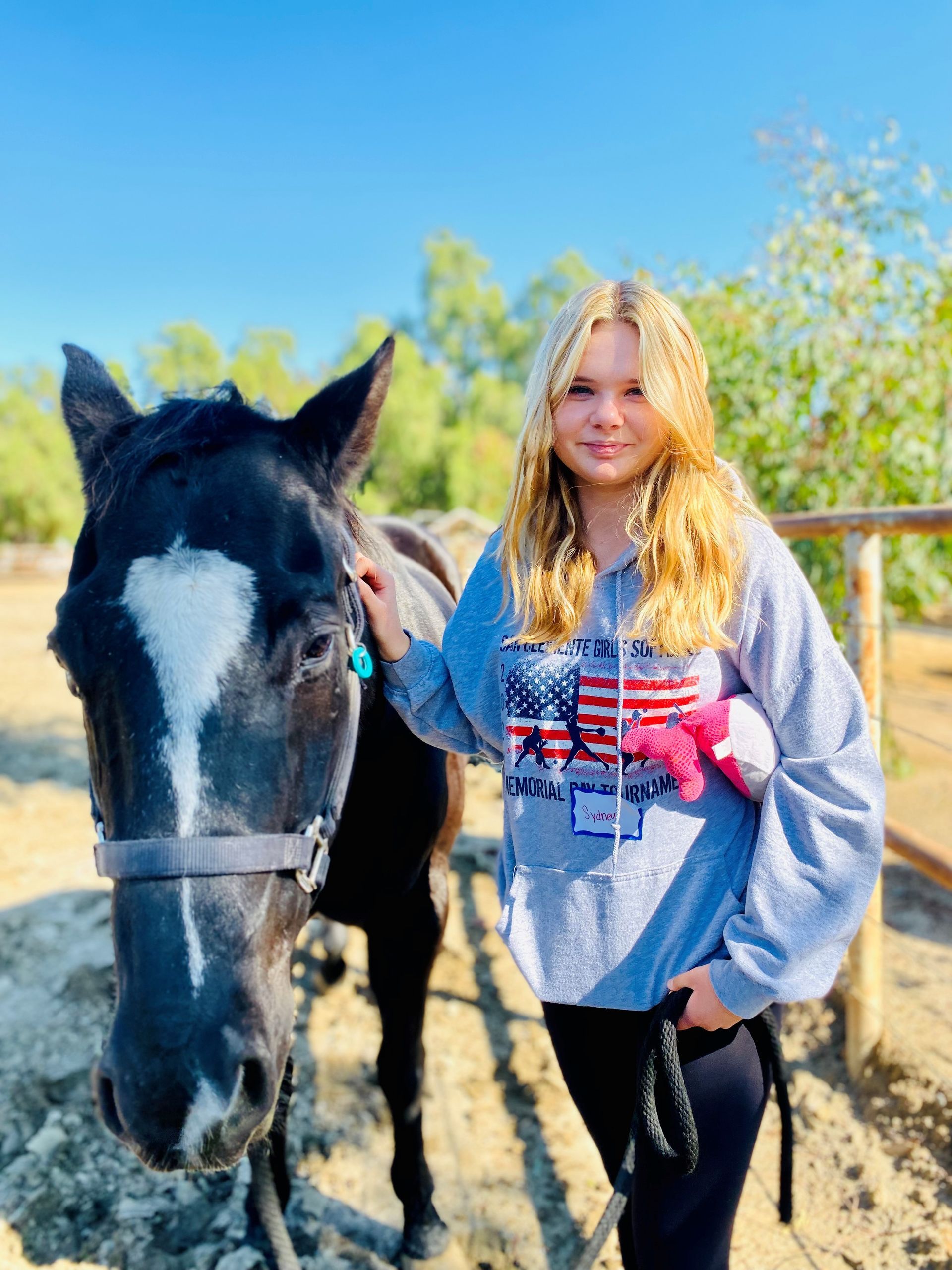
We believe the best teachers connect through presence, not words. Our programs utilize the wisdom of our therapy horses to help you discover the answers already within you.
The Herd Approach
- True Partners: We honor our horses as essential team members whose natural sensitivity reflects the present moment
- Authentic Interaction: Working at liberty or on a halter, our horses are encouraged to simply be themselves—offering non-judgmental, honest, and immediate feedback
- The Power of Presence: By observing how the horses respond, you gain clear insight into your own patterns, strengths, and potential
Your Journey, Your Pace
- Experiential Exploration: This is a space to explore, not traditional talk therapy. You dictate the pace while discovering vital life skills like problem-solving, self-awareness, and relational intelligence.
- Meet Yourself in the Moment: Just as our horses live entirely in the "now," you are invited to show up as you are. There is no right or wrong way to experience the process.
Our Programs
- Equine-Assisted Psychotherapy: Experiential sessions alongside our horses, guided by licensed therapists.
- Equine-Assisted Learning: Goal-oriented personal, educational, and professional development partnered with our horses and facilitated by certified professionals.
How would you like to begin your partnership with our herd? For more information contact us at:
949-485-1505 or info@otra-mas.org
Who We Work With
- Anyone ages 7 & up
- Individuals
- Families
- Children in Foster Care & Their Families
- Community Children’s Programs & Organizations
- School Groups
- Sports Teams
- Corporations & BusinessesResidential Addiction & Recovery Homes
- Veterans, Active Duty Military & Their Families
- First Responders
Programs
Groups, Families and Individuals

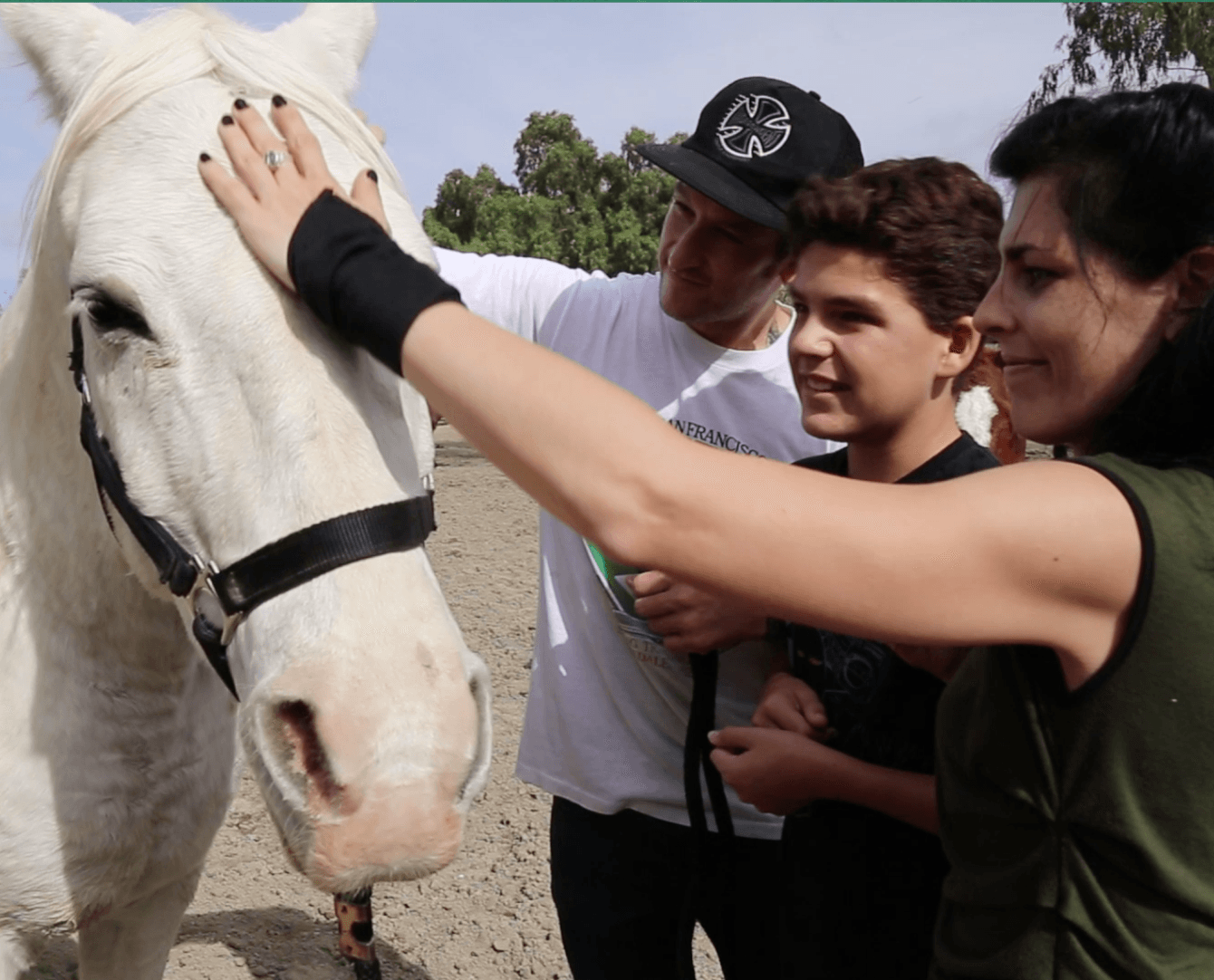

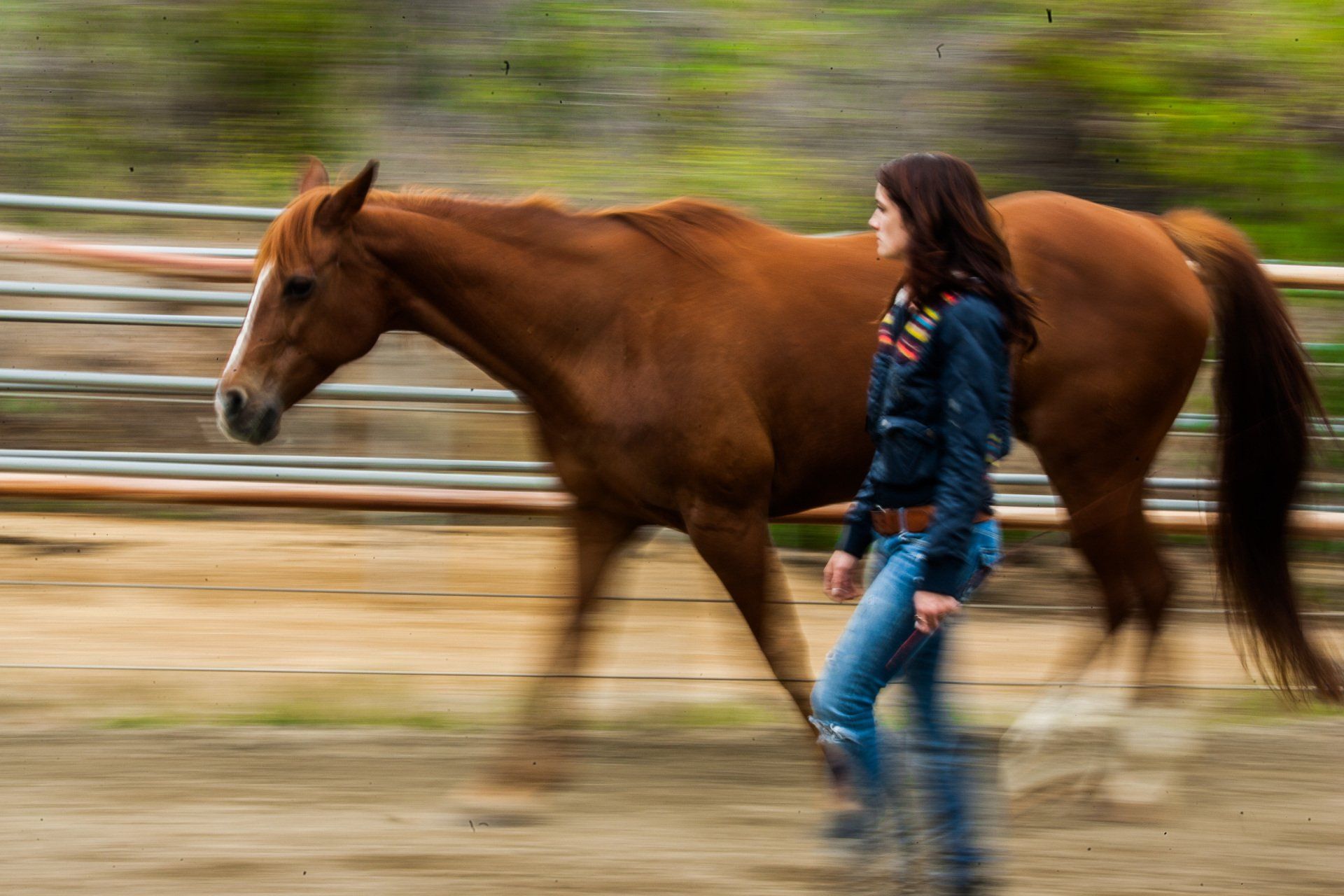
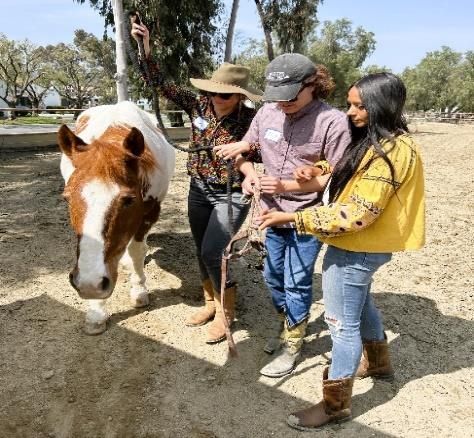
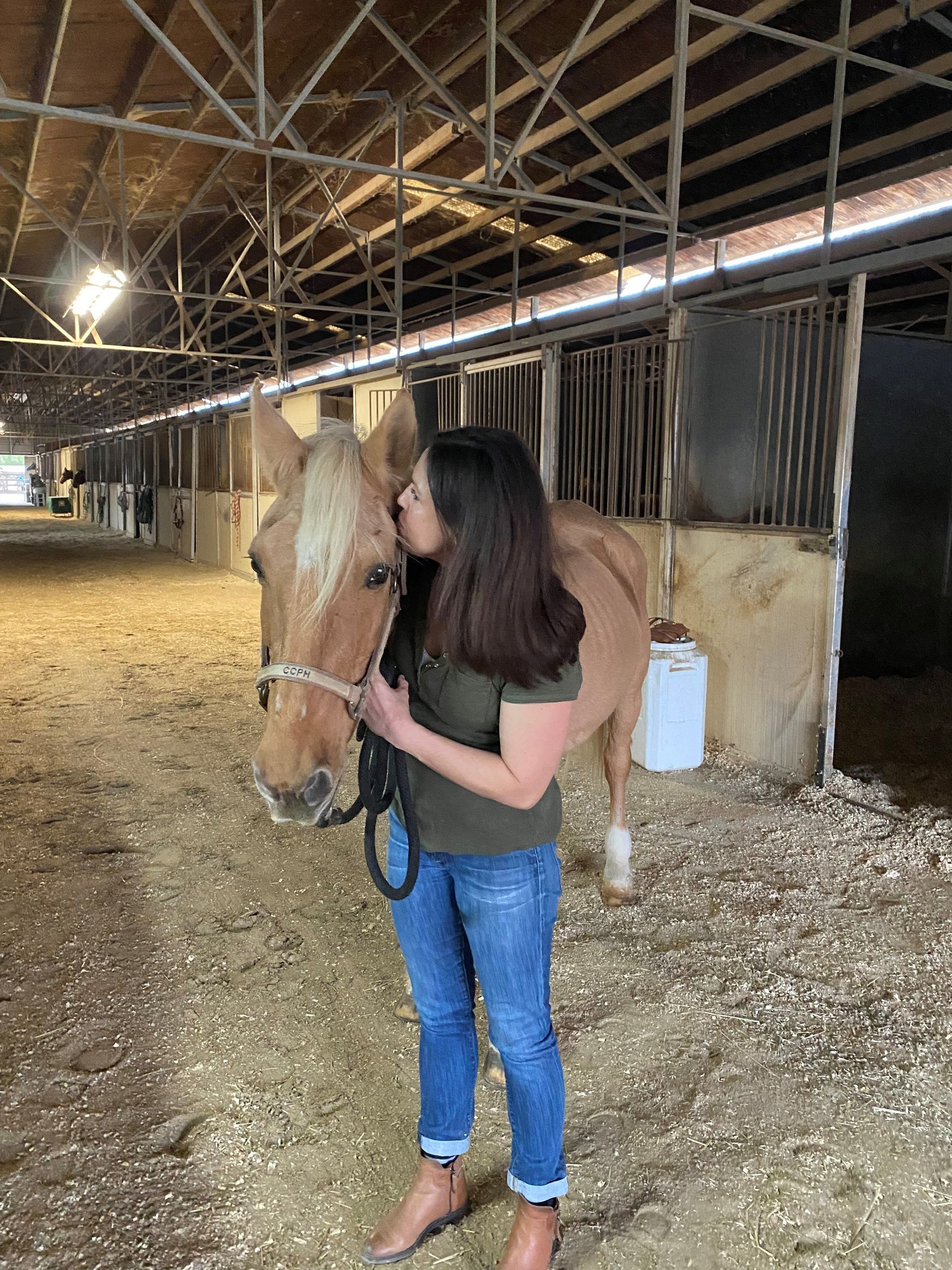
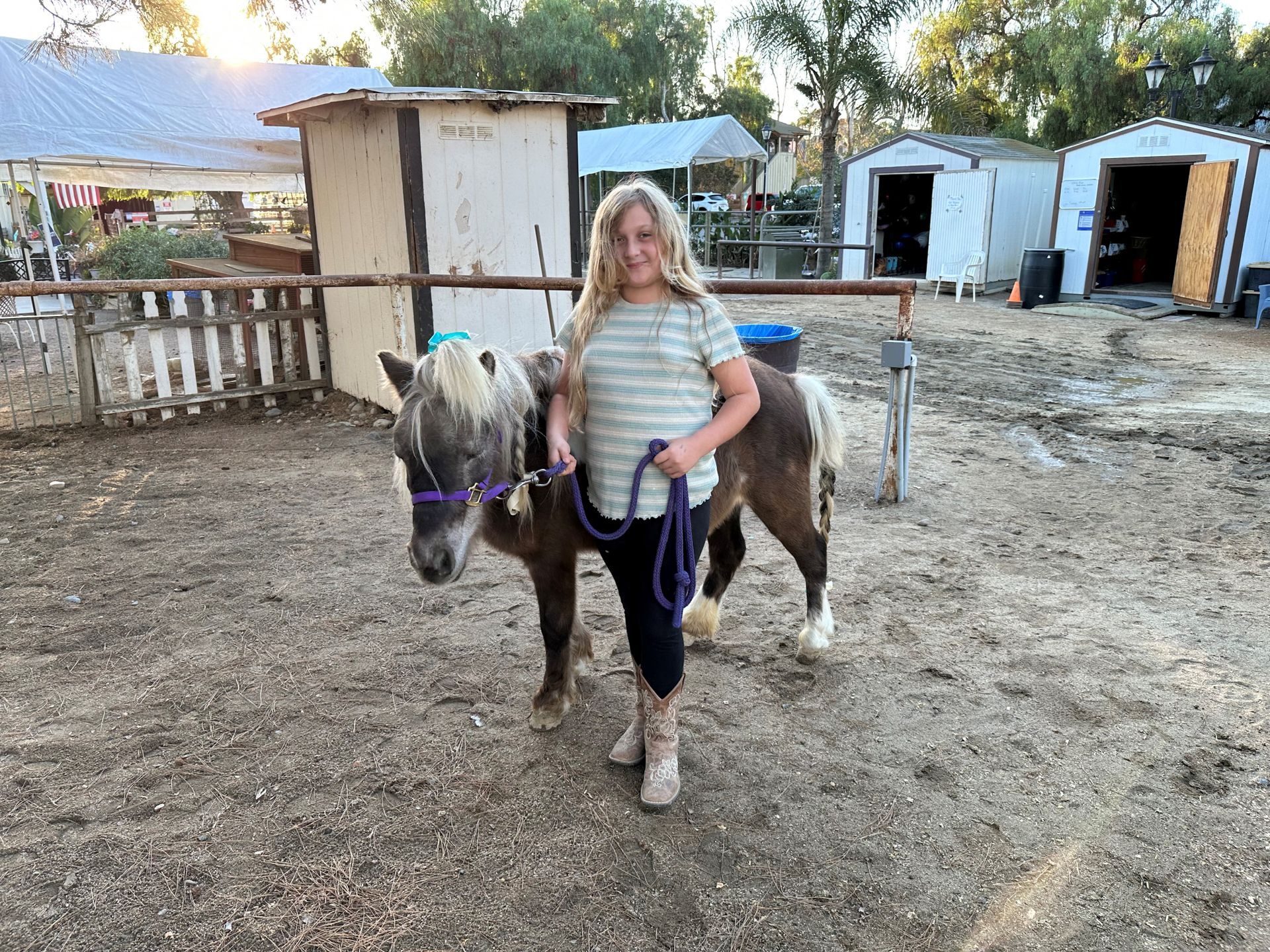
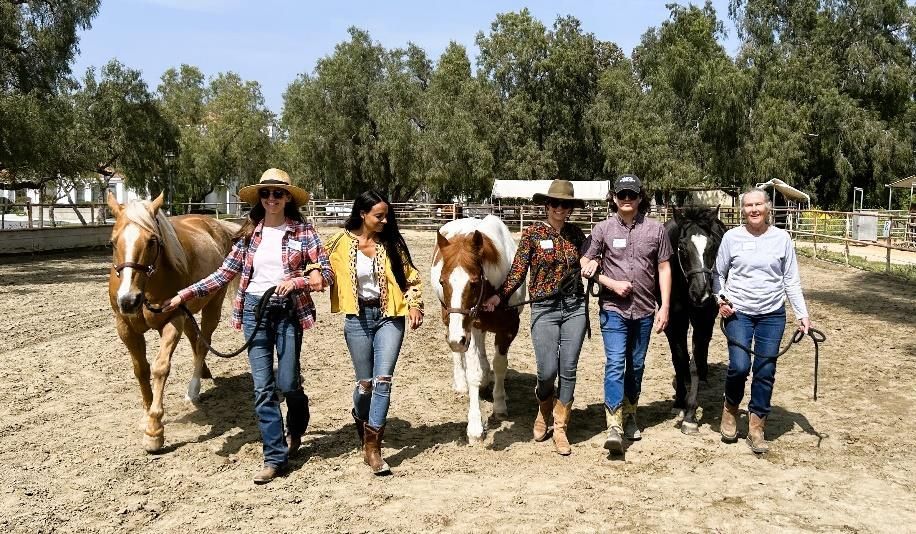
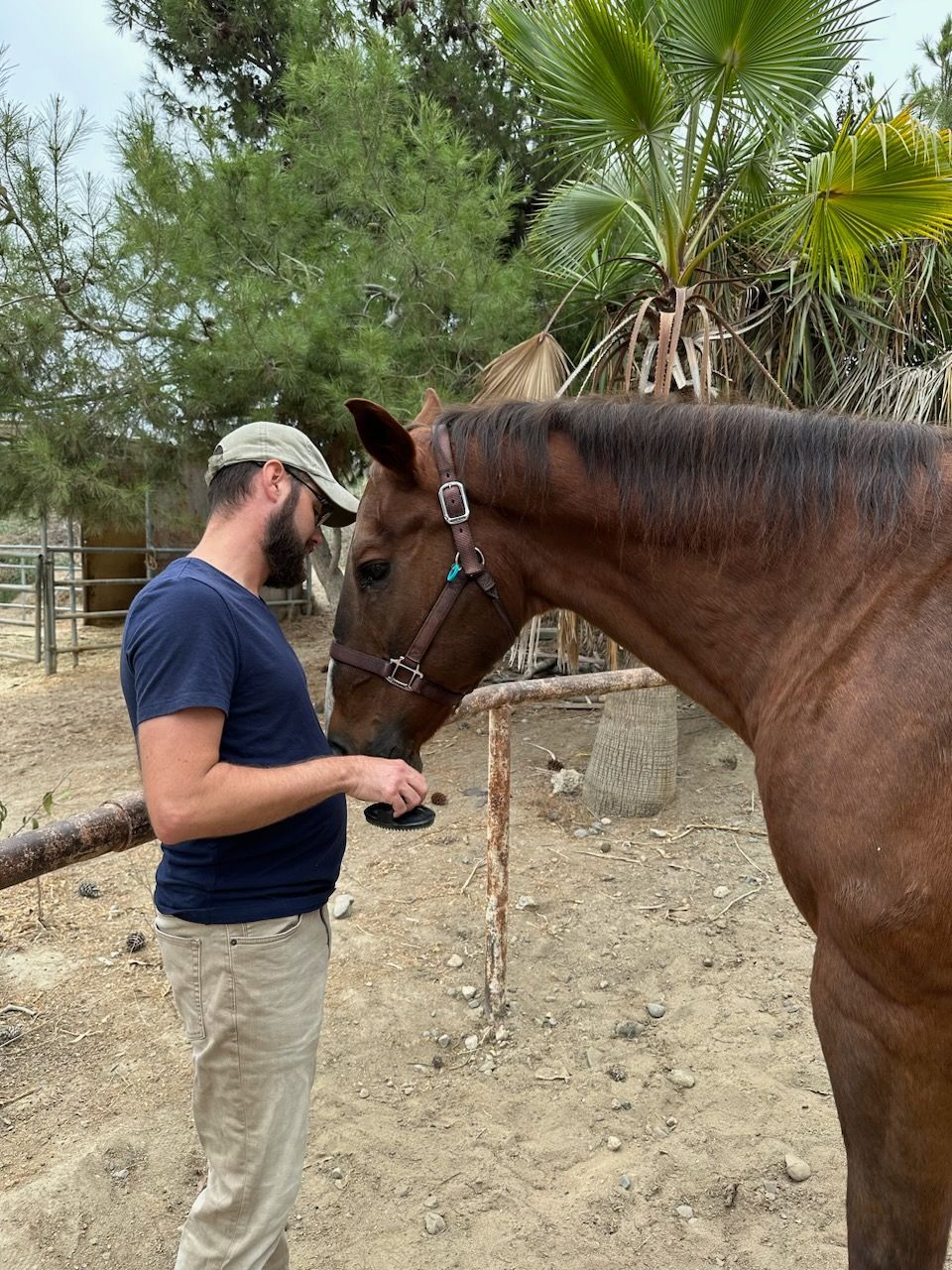
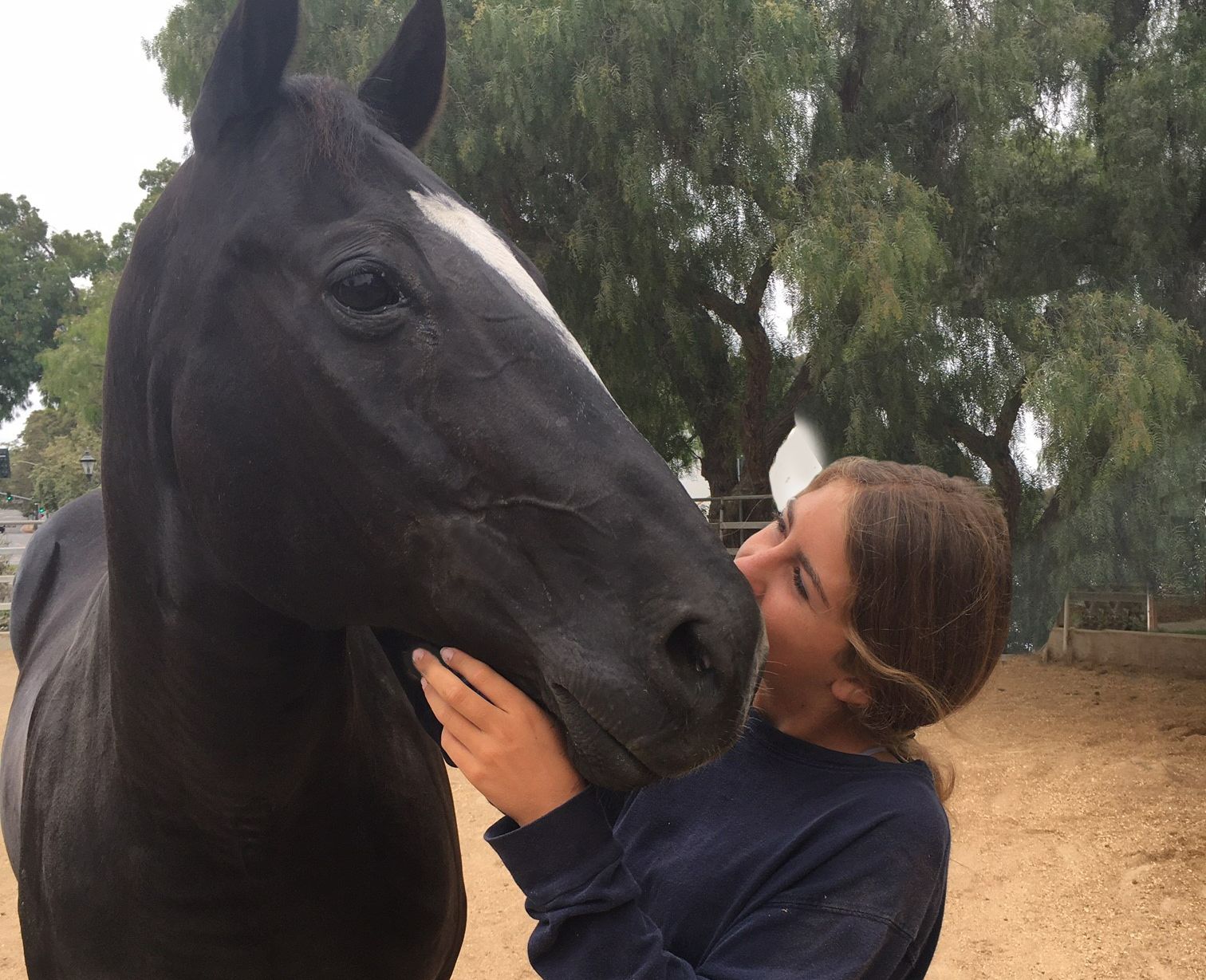
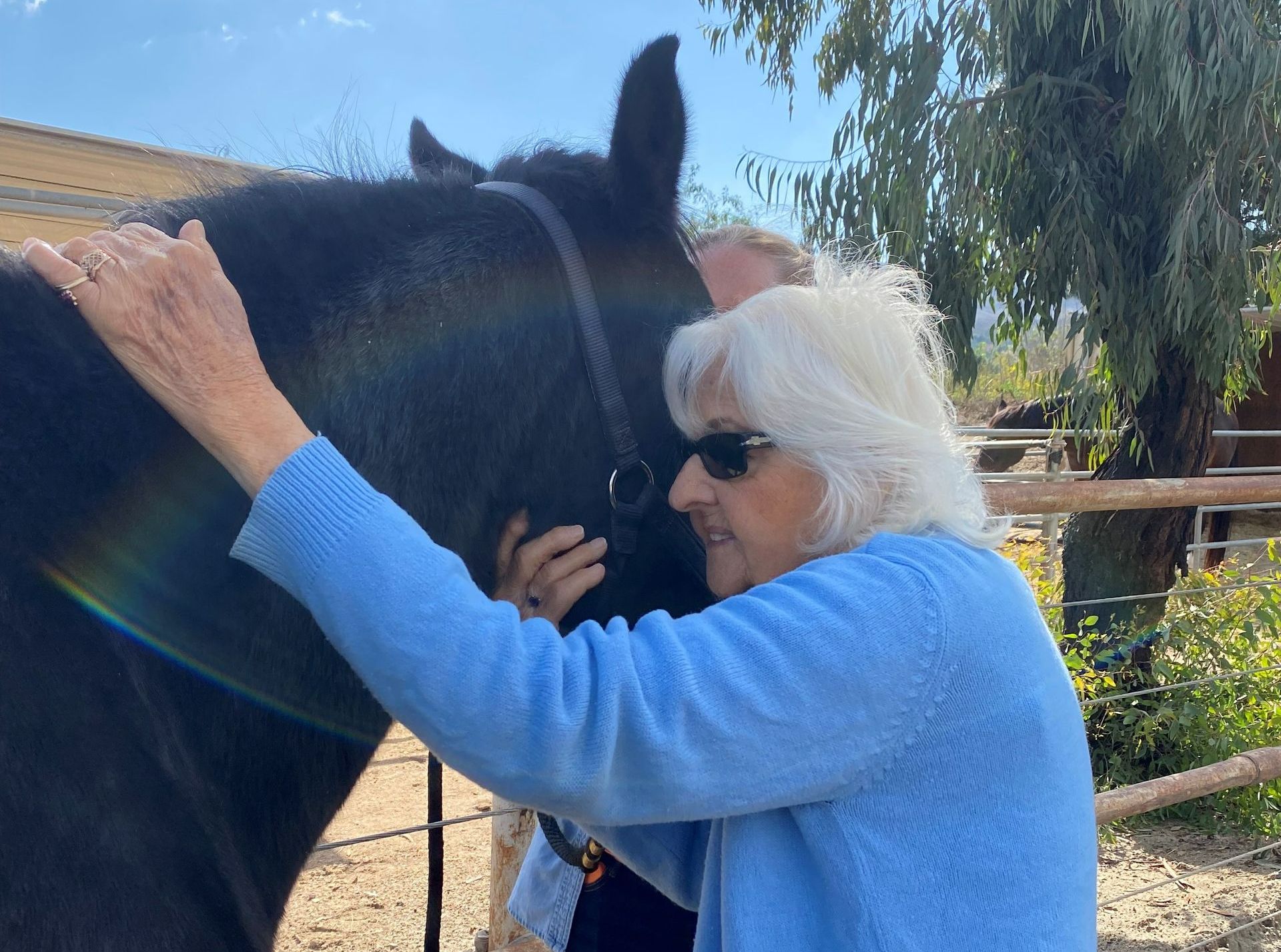
We provide programs for children aged 7 -17, and adults
individually and in groups.
We help enhance self-esteem, build self-confidence and healthy relationships, learn to manage emotions, and move forward in life.
We work with families, teams, and co-workers to better understand themselves and others, improve cooperation, and enhance communication and leadership skills within relationships.
Contact us
949.485.1505 or info@otra-mas.org
Who We Work With
We have clients from all backgrounds. Below is a list of the various populations we are proud to serve:
- Foster Care Families
- Boys and Girls Club
- Neurodivergent Individuals
- Recovery Homes
- Veterans and Active Duty Military
- Sport Teams
- Corporations
- Anyone looking to live happier, healthier lives
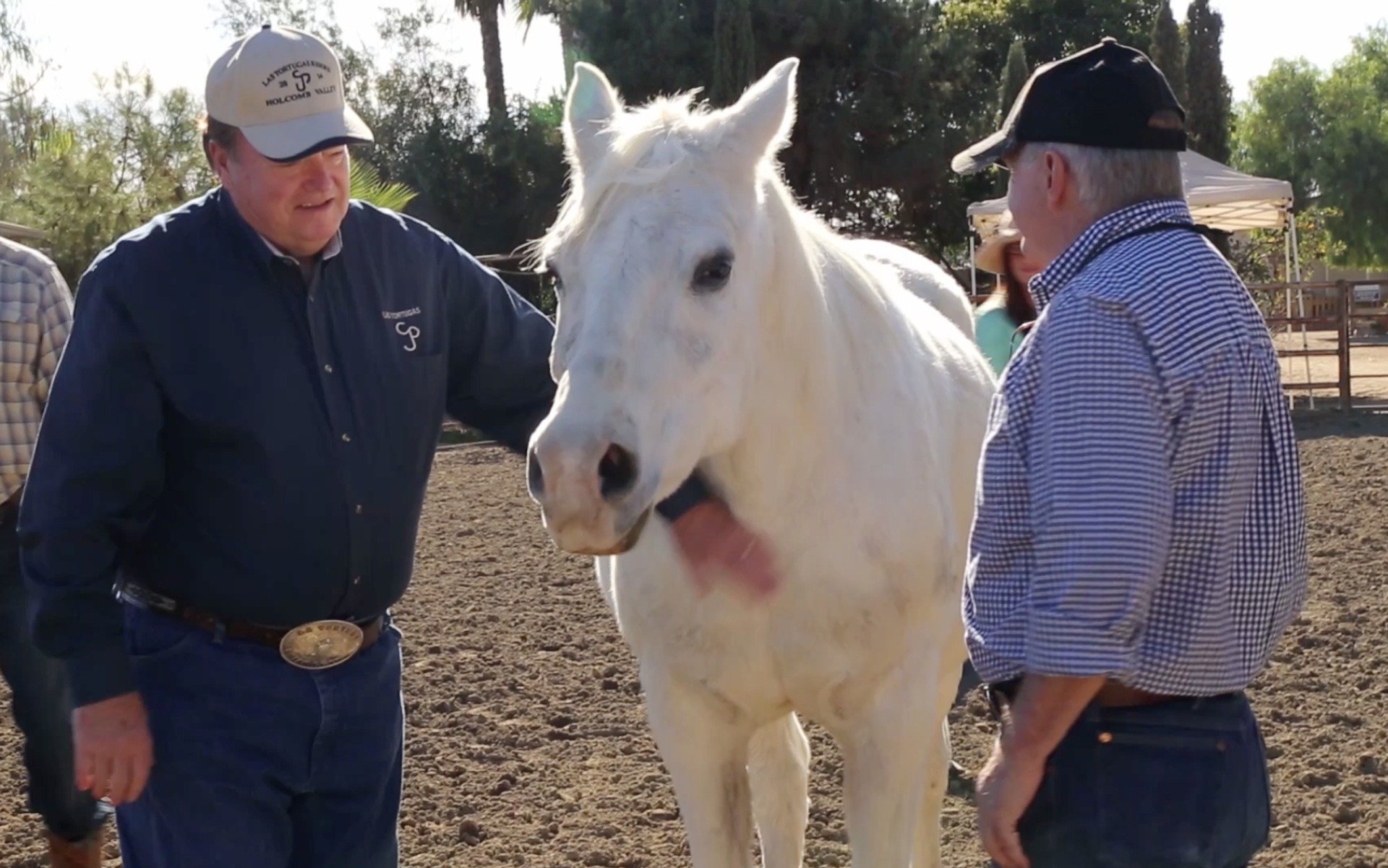
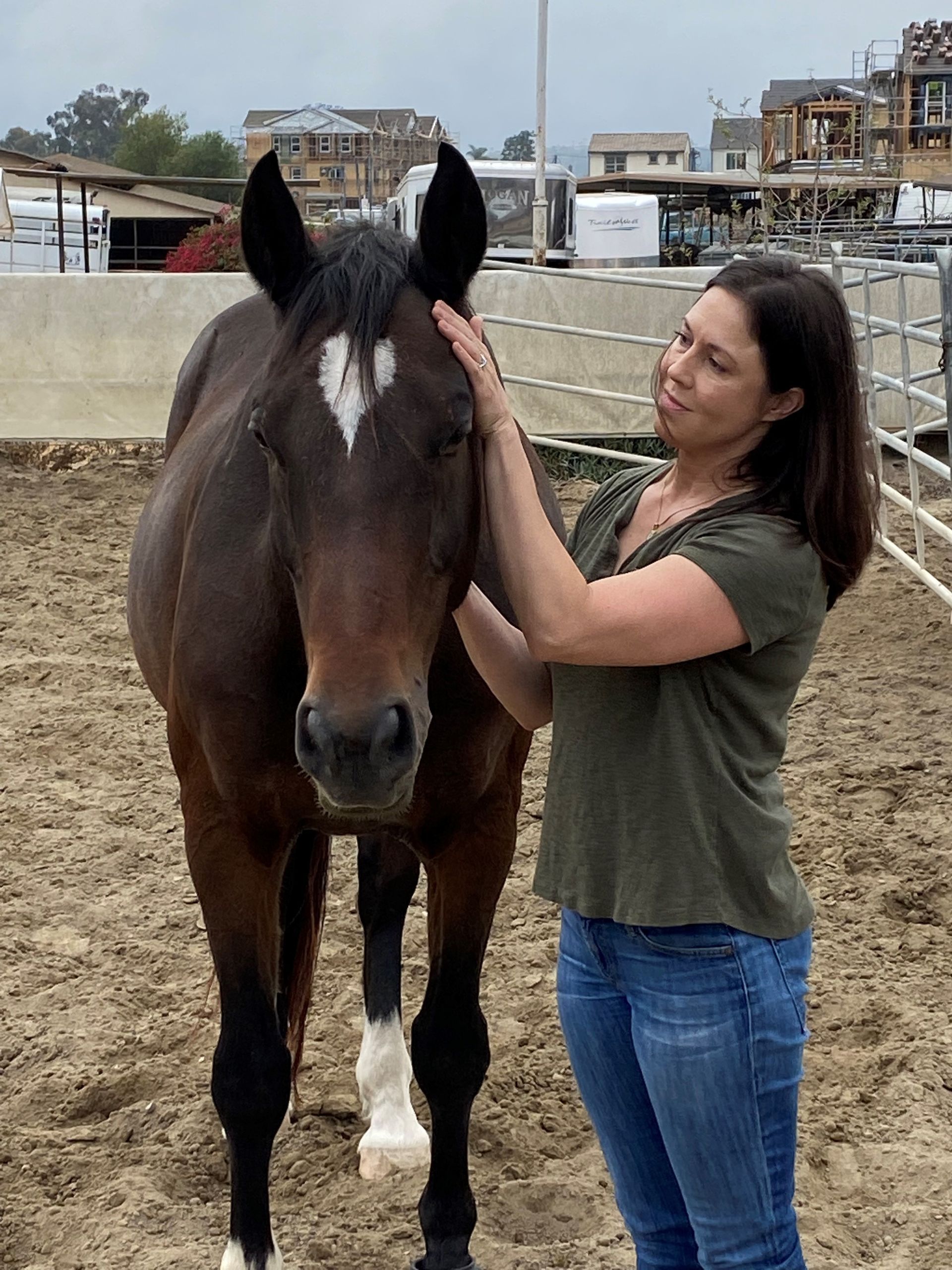
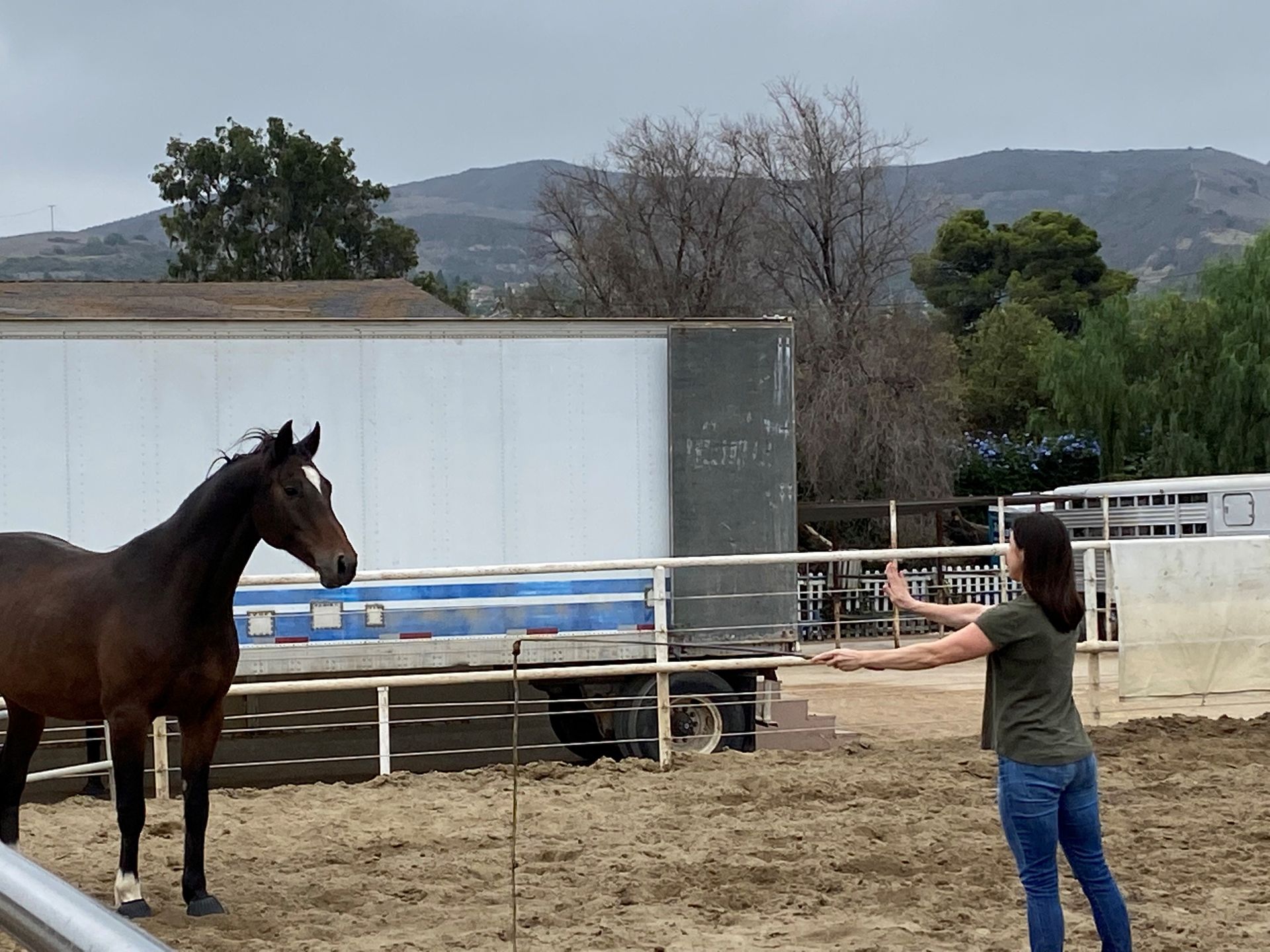
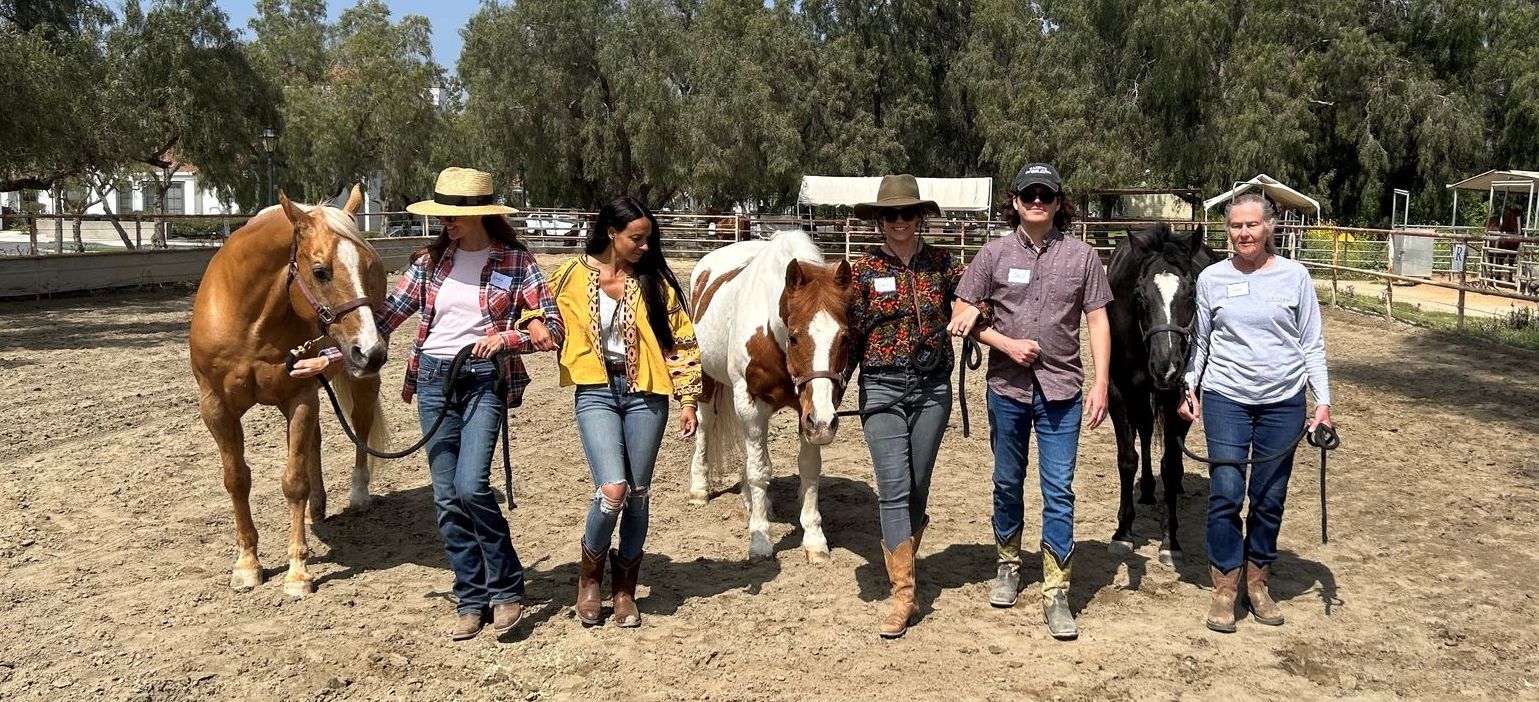
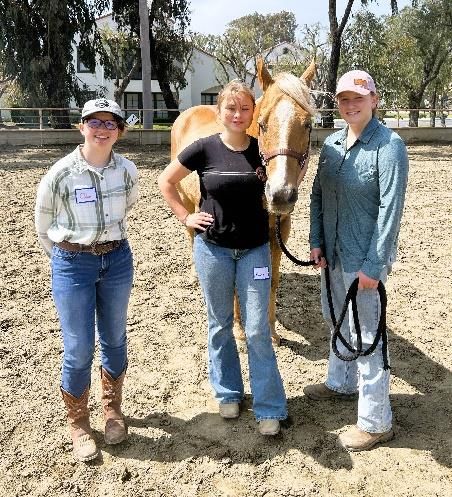
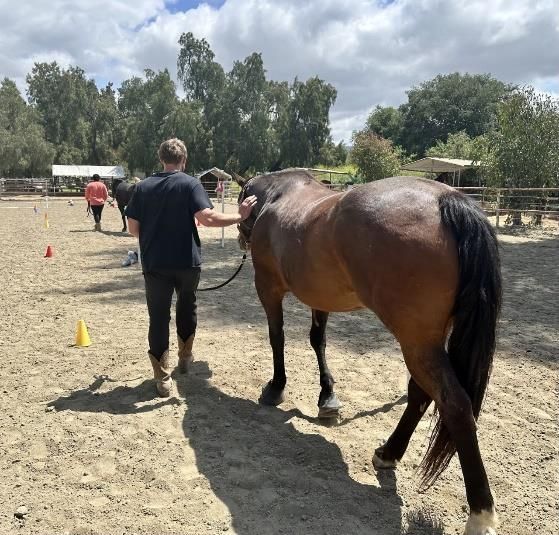
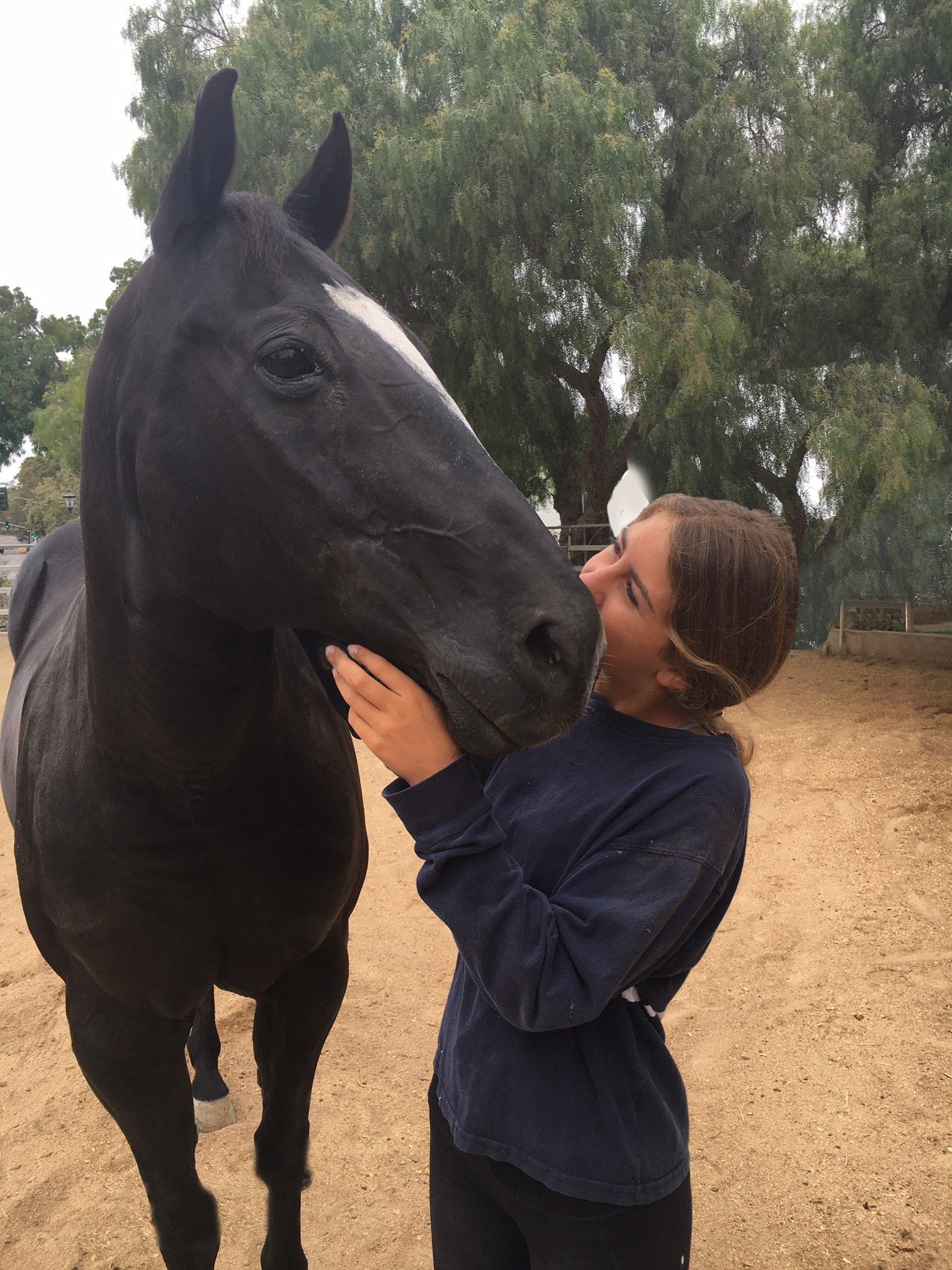
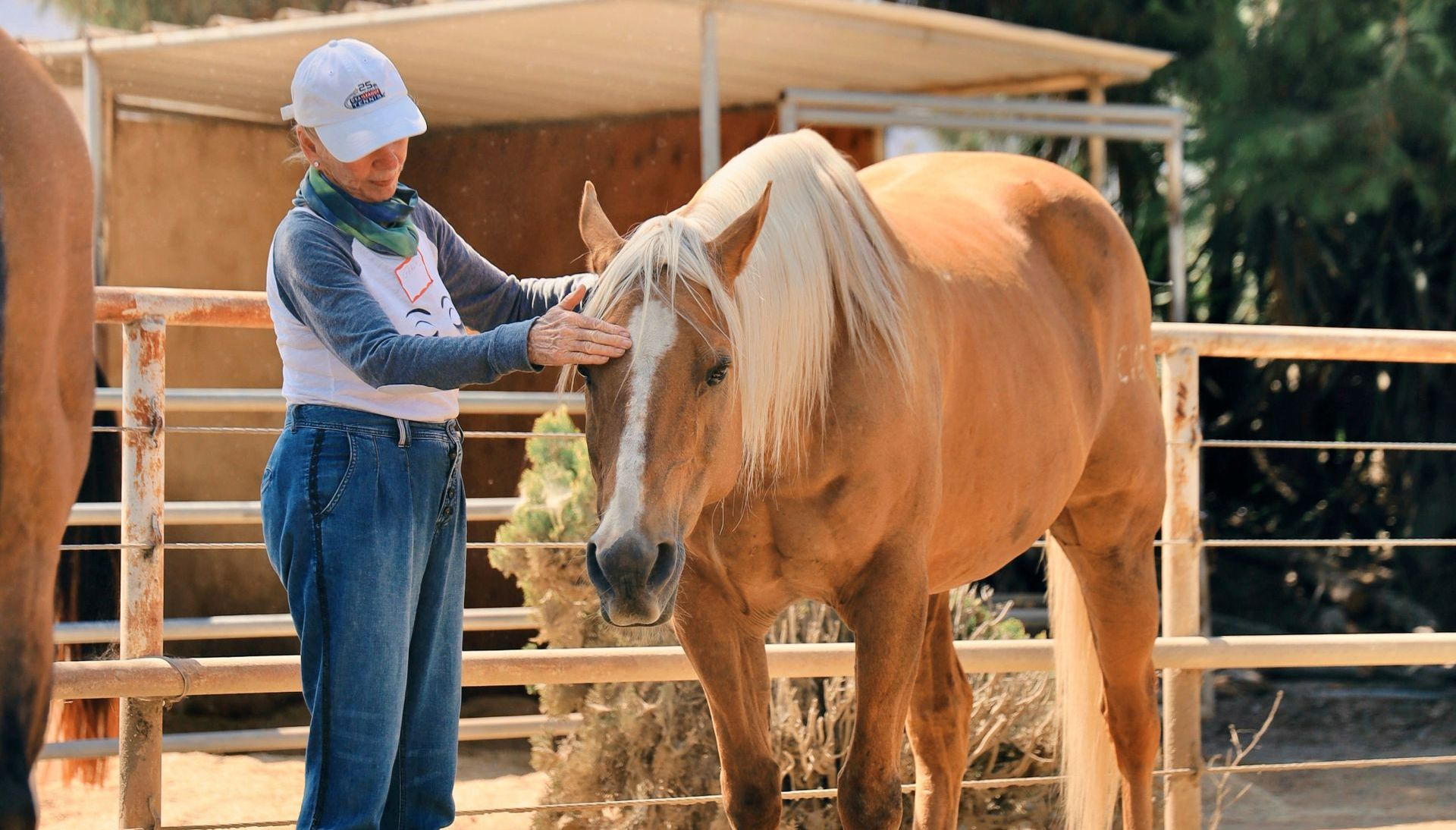
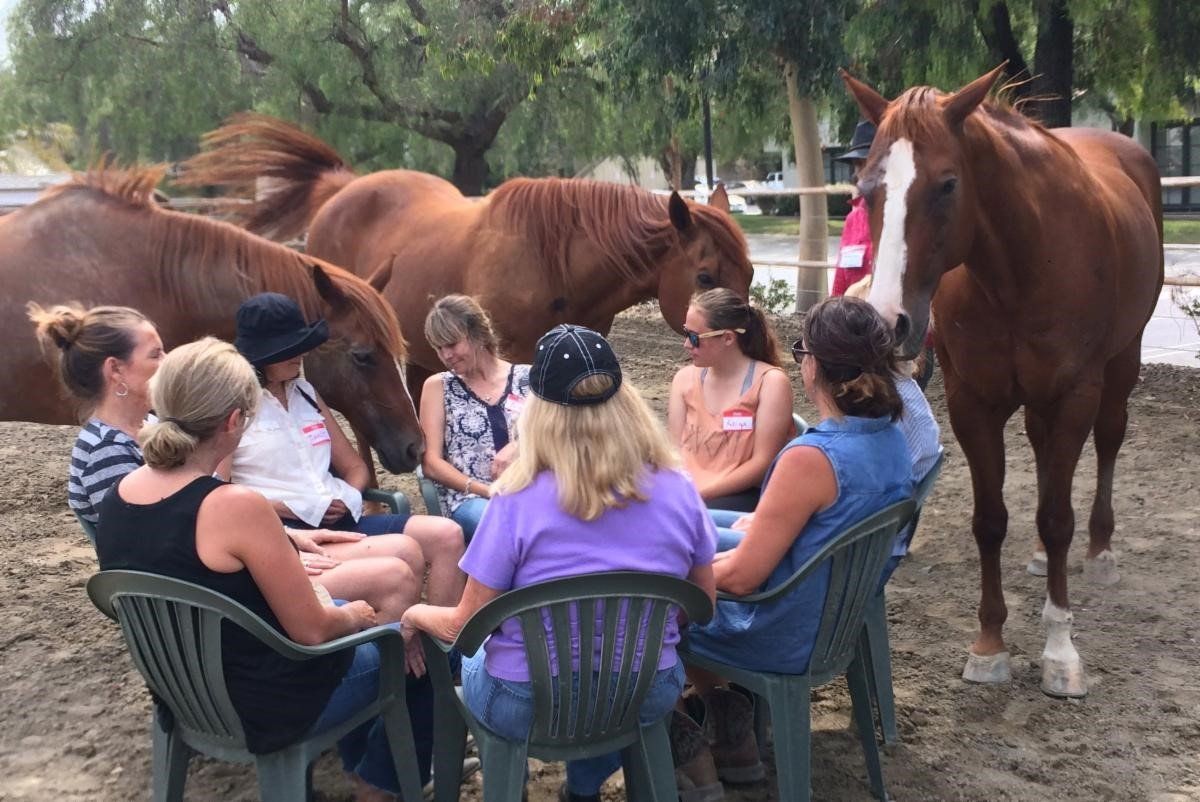
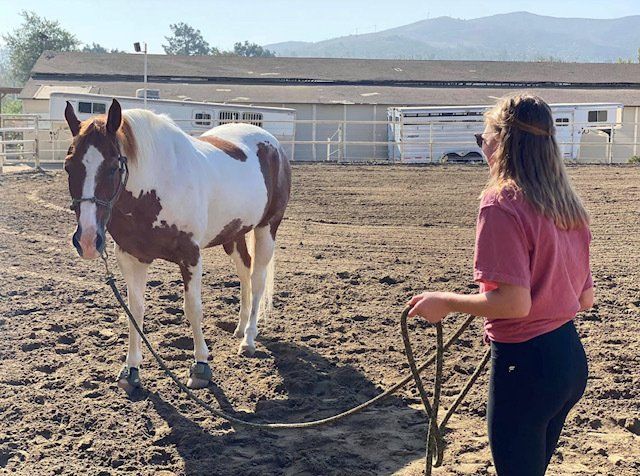
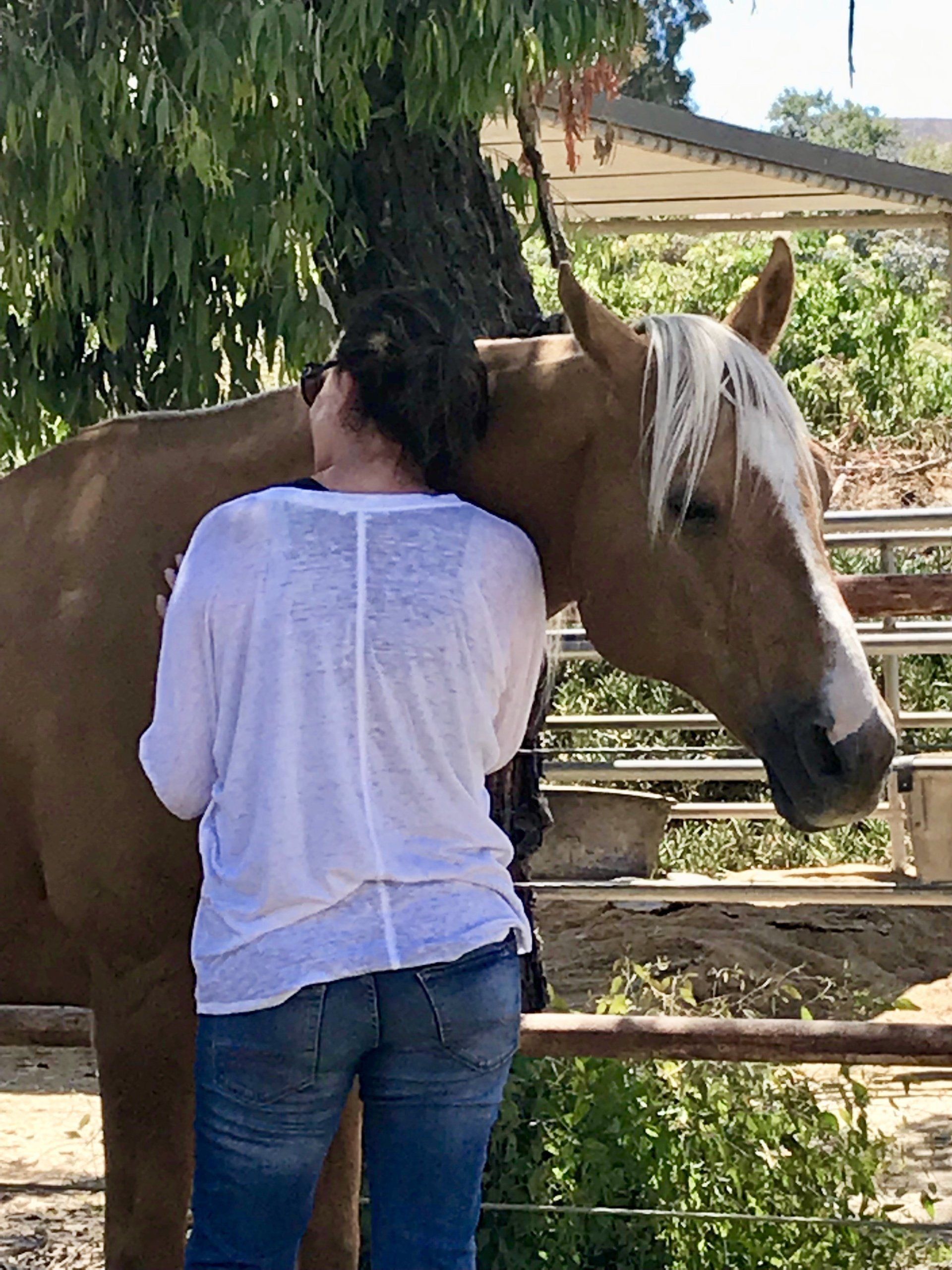
Horses reveal, react to, and mirror what is going on with the physical, emotional, and mental state of people in their environment. Because horses are herd animals, their survival depends on the safety and well being of the herd. They are very aware of nonverbal signals of other horses, animals and humans. Their reactions are lightning fast to any perceived danger.
Horses relax around and want to be with people who are present, grounded and authentic. They will test boundaries with people, as they do naturally with their own herd members when they determine and establish their “pecking order”. It’s as if they are saying “ Who are you? What are you about and What do you want? I/we have to be safe, so if you aren’t going to step up and be a good leader, then I will.”
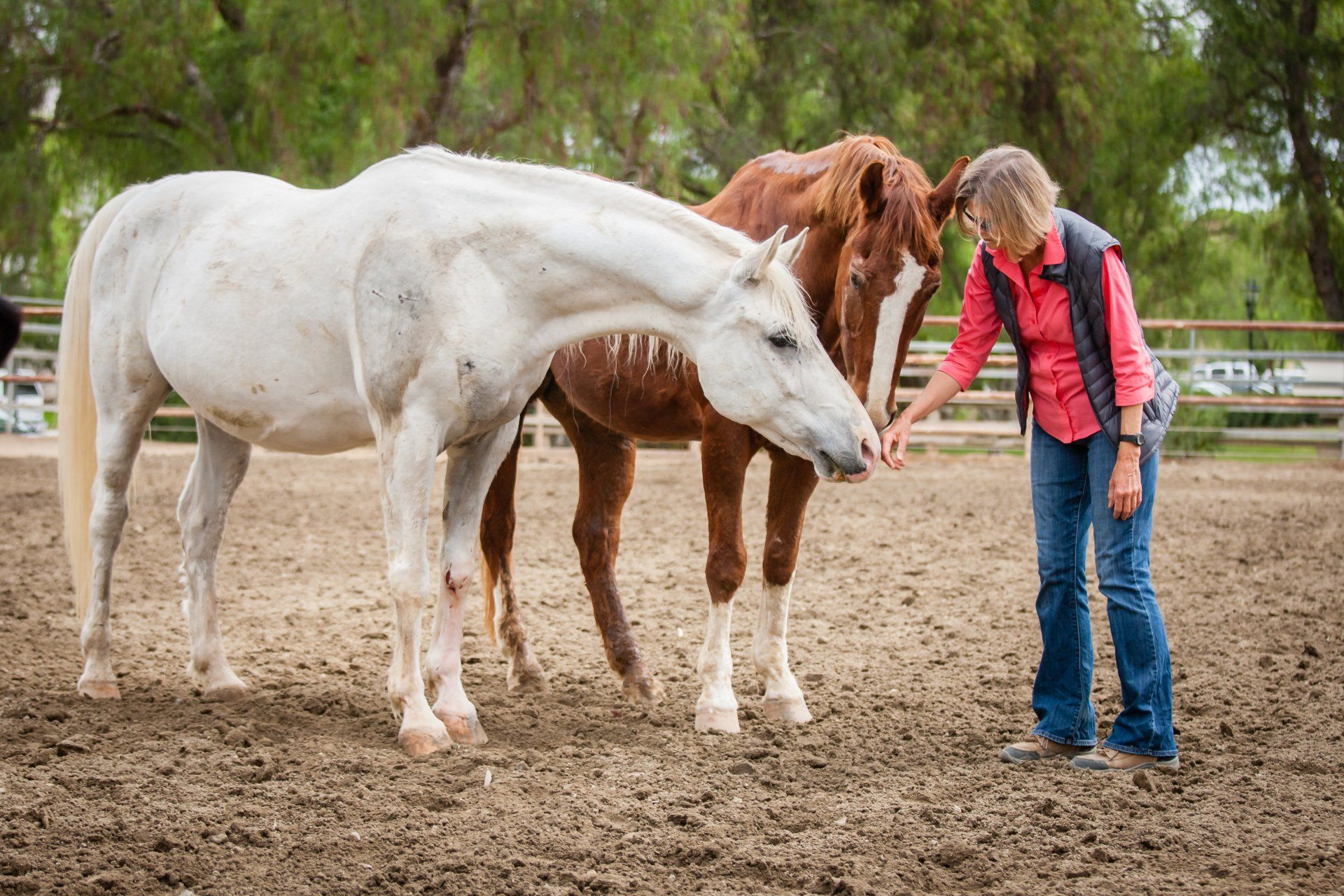
In an equine therapy session, we start with teaching the language of a horse—how to be safe around a horse and how to emotionally connect with them using their communication rituals. In doing that, the horse and human both relax, and a resonances occurs ( it has been scientifically proven that heart rates of the horse and human synchronize). This allows the horse to become a partner ( or herd member) with the individual or group for the next phase of therapy—doing experiential exercises designed to address a specific issue—such as trust, self esteem, team building, past trauma, boundary setting or relationship issues.
Another part of an equine session is herd observation. Horses, look to assign a role for everyone in their herd. The social structure of a herd provides interesting metaphors for how us human individuals interact within a group. Who is the quiet one? Who is the leader? Who is the in-your-face one? Who is the loner? Which horse is most like you? These questions can lead to interesting discussions, new awareness, and new acceptance of oneself in relation to others. To horses, all ways of being are valuable.
Carol Caddes LMFT, SEP
OTRA MAS is making a difference in the lives of our youth